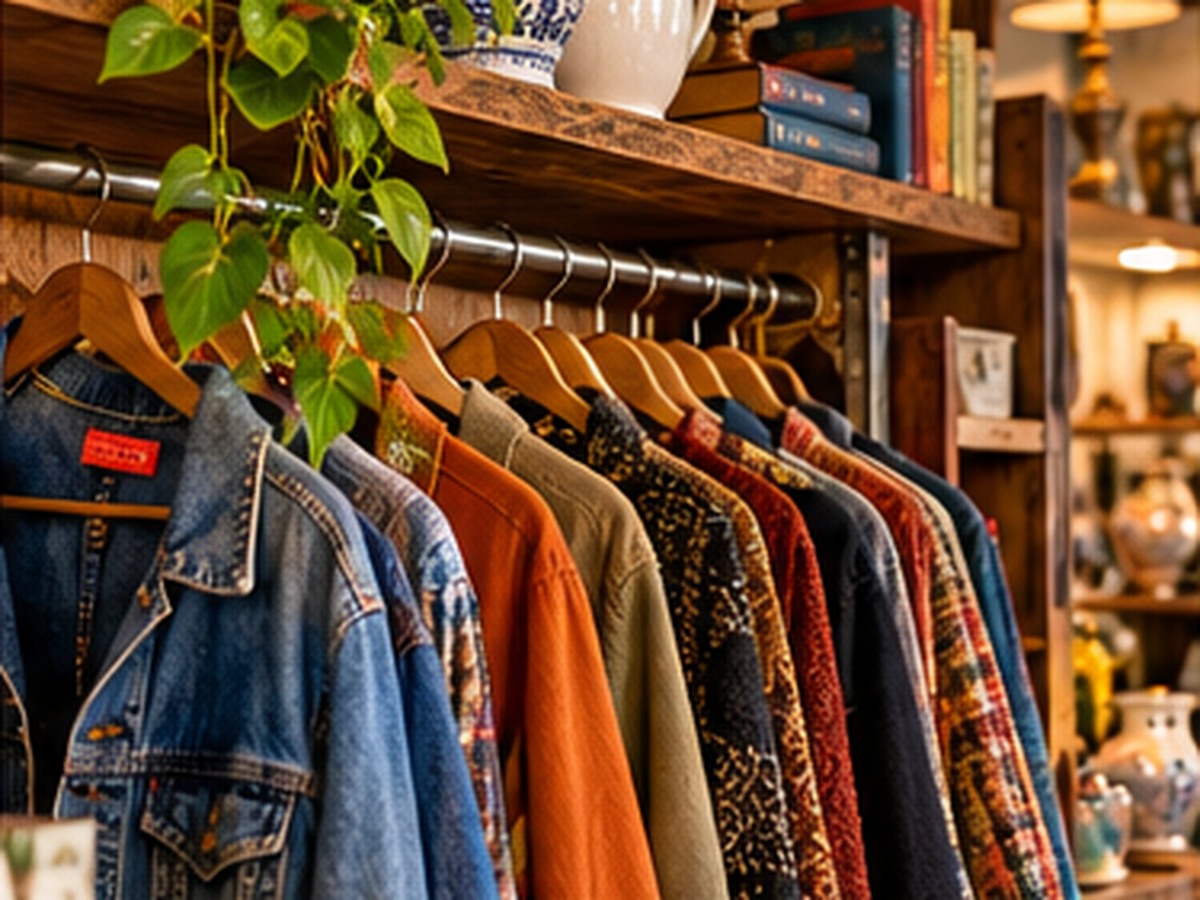
A secondhand shop can feel like a treasure hunt. There might be a sturdy bookshelf, a barely worn jacket, a basket that fits an awkward shelf, or a set of dishes that looks as though it has hosted years of good meals. There can also be an impressive collection of things we never intended to buy.
Shopping preloved can save money and keep useful goods in circulation, but only when the purchase actually serves your life. The trick is learning to enjoy the hunt without letting the bargain make the decision.
Start with the need, not the price tag
Before entering a thrift store, consignment shop, or online resale marketplace, write down what you are looking for. Be specific enough to recognize a good fit: 'a washable winter coat in this size,' 'a small wooden side table under 20 inches wide,' or 'a complete set of beginner chapter books.' A vague goal like 'something cute for the house' is much easier to stretch into unnecessary spending.
Set a ceiling price before you fall in love with an item. Include any cleaning, replacement parts, transport, or repair costs. A $15 chair that needs $60 of materials is not automatically a bargain; it may still be worthwhile, but you should choose
it with open eyes.
Inspect with your hands and your eyes
For clothing, check seams, zippers, buttons, odors, and fabric wear. For furniture, look for stability, water damage, missing hardware, and signs of pests. Measure before buying anything bulky. For dishes, check for cracks and chips; be cautious about old or decorative ceramics whose food-safety suitability is uncertain.
Some categories deserve extra care. Used car seats and bike helmets can have hidden damage or missing safety information; follow current manufacturer and safety guidance rather than treating them like ordinary thrift finds. For electrical appliances, check the model for recalls, examine cords and plugs, and verify that all essential parts are present. When you cannot confidently assess an item's safety, passing it by is a sensible choice.
Remember the hidden costs
A used item may be inexpensive at checkout but costly in time, space, or maintenance. Ask where it will live, how often you will use it, and what it will replace. If it requires an entire afternoon of repair that you do not have, the true price is higher than the sticker suggests.
For online resale purchases, meet in a safe public place when possible, inspect the item before paying, and avoid payment arrangements that remove buyer protections. Do not let a seller's urgency override your judgment.
Give your purchases a purpose
Secondhand shopping can also be a thoughtful way to find gifts, especially books, vintage pieces, and items with personal meaning. Clean them carefully and present them with pride rather than apology. A well-chosen preloved gift can say, 'I noticed what you love.'
And if you leave a store empty-handed, that is not a failed trip. It may mean you kept your money, protected your space, and waited for something that truly fits. The best bargain is not the one with the biggest markdown. It is the one you are still glad you bought months later.